

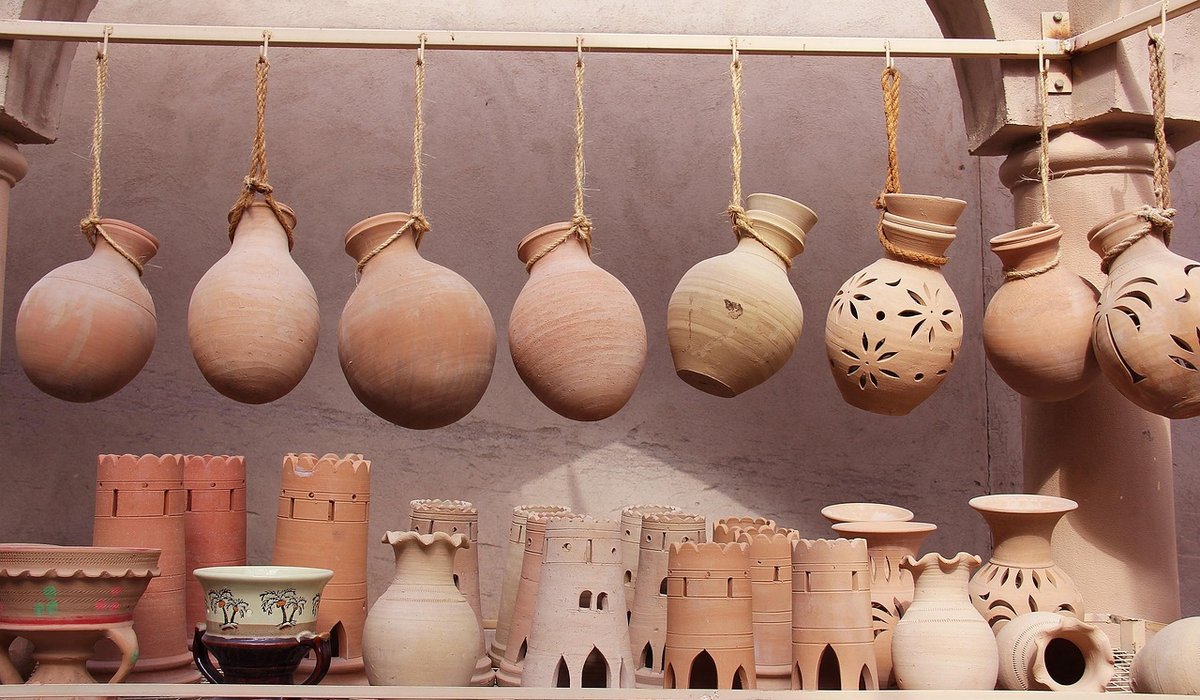
Styling an Old Dresser with Vintage Crockery
Start with the Dresser, Not the China
An inherited dresser is rarely a blank canvas. It has its own grain, its own quirks and often a few generations of polish worked into the wood. Before you arrange a single plate, give the piece itself some attention. Dust every shelf and the backboards, then decide whether you want to feed the wood with a little beeswax or paint it in a soft, chalky finish. A cottage look rarely demands perfection. A few dents and water marks are part of its story.
Think about how you use the dresser, too. If it stands in a busy kitchen, the bottom shelves need to work hard for everyday mugs, bowls and serving dishes. The upper shelves can be more decorative. Measure the height between shelves and the depth of each one, because a tall jug that fits beautifully on the top may not squeeze under the middle shelf. Knowing these measurements will save you from endlessly reshuffling.
Gather, Edit and Mend Your Vintage Crockery
Bring every mismatched plate, jug, cup and saucer together in one place. Charity shop finds, car boot treasures and pieces from great-aunts all deserve a look. Sort them into three piles: display, everyday and repair. Anything with a fine crack or a nibbled rim can still be shown, but keep it away from food and out of the dishwasher. Clean everything gently in warm soapy water, and dry it thoroughly with a soft cloth. Avoid abrasive cleaners on gilt or hand-painted decoration.
Now edit. A dresser groans under too much clutter, and a jumble of fifty pieces will hide the very charm you are trying to create. For an average three-shelf dresser, aim for around twenty to thirty items. That sounds strict, but grouping and height will make fewer pieces look generous. Put the rest in a cupboard or a box for rotating later.
Group by Colour for Instant Cohesion
The single most effective trick with mismatched crockery is to group by colour. Instead of spreading a blue plate, a pink cup and a green jug across different shelves, gather all the blues together, all the creams together and all the soft greens together. Work with two or three main colours that already appear in your kitchen or garden. Blue and white transferware looks calm and classic. Cream, honey and soft green feels warm and rural. Add one accent colour, such as a deep raspberry or a mustard yellow, in small doses.
- Blue and white: stack plates in a corner, lean a large platter behind, and place a single white jug in front.
- Cream and green: mix spongeware, plain earthenware and a few green-rimmed bowls for a fresh country look.
- Pink and white: use floral teacups, a pink jug and white ironstone plates for a pretty, cottage-garden feel.
If a piece does not fit any group, put it on a lower shelf or use it elsewhere. A stray orange bowl can ruin the calm of a blue shelf. Be ruthless, and your display will feel intentional rather than accidental.
Use Height and Shape to Build the Display
Once colours are grouped, arrange each shelf from back to front. Taller items belong at the back: jugs, tureens, large platters and a big mixing bowl. Medium-height pieces go in the middle: plates on stands, a stack of side plates, a cake stand. The front row is for short, small things: teacups, saucers, little bowls and egg cups. This simple rule stops the back of the dresser from being hidden and gives every shelf a clear view.
Vary the heights within a group. A row of identical cups is dull, but a tall jug beside a short stack of bowls beside a medium vase creates a pleasing rhythm. Use plate racks or small wooden stands to prop plates upright. Lean a large platter against the backboard and let a smaller plate overlap it slightly. Cup hooks screwed under a shelf can hold mugs by their handles, freeing up space and adding a lovely cascade of colour. Leave breathing room between groups. Negative space is what makes a display look curated rather than crowded.
Everyday Styling and Seasonal Swaps
A dresser should never feel like a museum. Keep your favourite everyday mug and bowl within easy reach, and do not be afraid to use the display pieces. A jug that holds milk at breakfast can hold garden flowers by teatime. In spring, tuck a few daffodils or tulips into a small jug. Summer brings roses, sweet peas or lavender. Autumn is for berries, seed heads and dried hydrangeas. Winter suits bare branches, dried orange slices or a sprig of holly.
Swap a handful of pieces every month or so. Move a blue jug to a different shelf, bring out a stack of patterned plates, or add a small bowl of fresh eggs. Keep a spare box in a cupboard so rotation is easy. Dust the shelves and the crockery weekly with a soft cloth or a feather duster. If you line the shelves, choose vintage linen, pretty wallpaper or simple brown paper, and replace it when it becomes marked.
Small Details That Make It Yours
Finally, add a few personal touches that are not crockery. A small enamel jug of wooden spoons, a little dish for keys, a candle in a teacup, or a bowl of garden apples can all sit alongside the plates. The goal is not a perfect showroom dresser. It is a living, useful, deeply charming corner that tells the story of meals shared, gardens gathered and family pieces given a second life.


Home Interiors
-
Keep pieces away from radiators, dust regularly and apply a gentle wax polish to protect old timber from seasonal moisture changes.

Seasonal Cooking


-

Long established fact that a reader will be distracted
-

Long established fact that a reader will be distracted
-

Long established fact that a reader will be distracted




Cottage Gardening
Karla Gleichauf
12 May 2017 at 05:28 pm
On the other hand, we denounce with righteous indignation and dislike men who are so beguiled and demoralized by the charms of pleasure of the moment
M Shyamalan
12 May 2017 at 05:28 pm
On the other hand, we denounce with righteous indignation and dislike men who are so beguiled and demoralized by the charms of pleasure of the moment
Liz Montano
12 May 2017 at 05:28 pm
On the other hand, we denounce with righteous indignation and dislike men who are so beguiled and demoralized by the charms of pleasure of the moment