

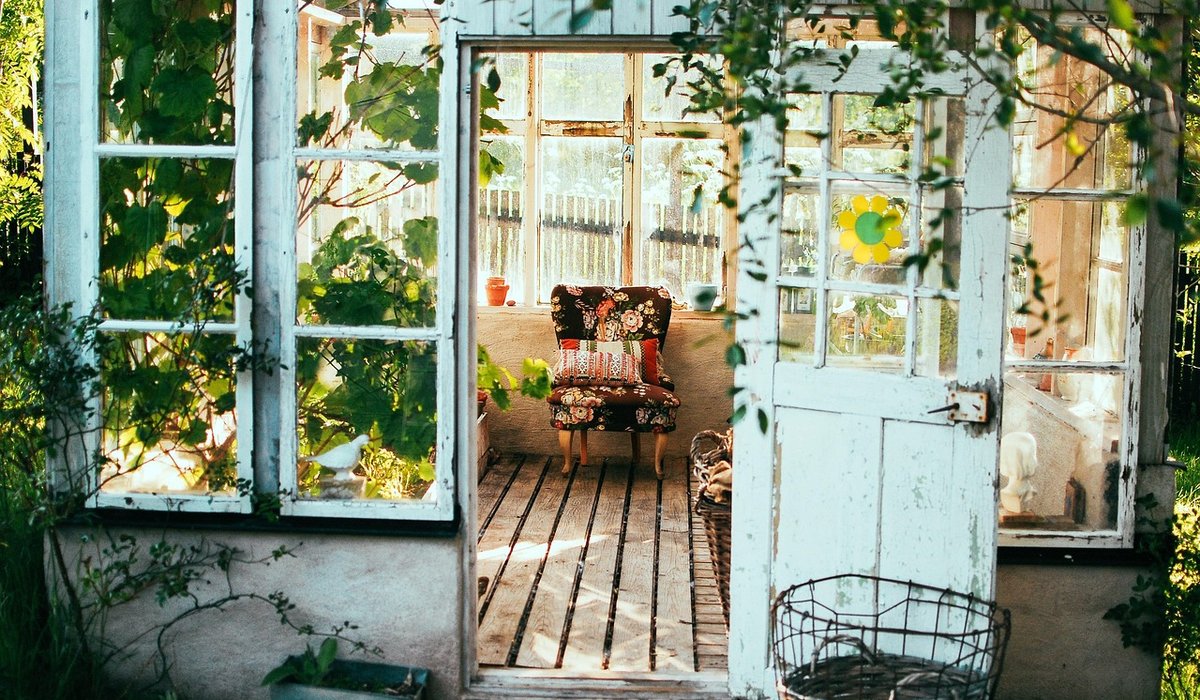
Growing Scented Herbs in Pots by the Door
Why the Doorstep Is the Best Place for Herbs
There is a particular pleasure in stepping out of the back door on a damp October morning and catching the resinous green smell of rosemary as your sleeve brushes against it. Herbs grown by the door earn their keep twice over: they are within arm's reach when you are cooking, and they release their scent every time you pass. A pot of thyme beside the step, a sturdy rosemary against the wall, a generous clump of mint where the drain runs cool — these small plantings soften the hardest corner of a cottage garden and make the entrance feel cared for.
The practical argument is just as strong. Herbs in containers are lifted clear of the wet, heavy soil that most British gardens offer in winter, and they are close enough to the kitchen that you actually use them. A sprig of parsley fetched in the rain is a sprig of parsley used; one at the far end of the plot is a sprig of parsley forgotten.
Choosing Containers That Will Last
Terracotta is the traditional choice and still the best, provided it is frost-proof. Cheaper pots crack after two or three hard frosts, so look for thicker walls and a maker's assurance about winter hardiness. Glazed pots hold moisture longer, which suits mint and chives but can be unkind to rosemary and thyme, which resent sitting wet.
Size matters more than most people expect. Mediterranean herbs put down surprisingly deep roots, and a cramped pot dries out in a single warm afternoon. Aim for containers of at least 30cm across for rosemary and 25cm for thyme. Metal and wooden planters work well too, but line bare metal, which overheats in sun and can scorch roots.
- Drainage holes are non-negotiable — one central hole is rarely enough in a wide pot.
- Pot feet or bricks raise containers clear of paving so water drains freely and slugs have further to climb.
- A layer of crocks in the base helps, though a good gritty compost matters more.
- Weight is a virtue: a heavy pot by an exposed door will not blow over in a gale.
The Three Classics: Rosemary, Thyme and Mint
Rosemary is the backbone of a doorstep collection. Choose a compact variety rather than a rampant one, and give it the sunniest spot you have. It is tougher than its Mediterranean origins suggest, but it hates wet roots in winter far more than it fears cold. Plant it in a gritty, free-draining mix and never let the saucer stand full of water.
Thyme is the perfect edging plant for a pot, spilling over the rim and releasing its scent underfoot. Common thyme, lemon thyme and the golden-leaved forms all do well. It wants the poorest, sharpest drainage of the three — mix in plenty of horticultural grit and it will reward you for years. Trim it lightly after flowering to keep it bushy rather than woody.
Mint is the odd one out. It is vigorous, thirsty and best kept entirely to itself, because its runners will invade any pot it shares. Plant it in its own container, sink that container into a larger decorative pot if you like, and lift and divide the clump every second spring. Spearmint and apple mint are the best for a doorstep, and both tolerate the shadier, damper side of a porch.
Compost, Planting and the First Few Weeks
Use a soil-based compost such as John Innes No 2 for rosemary, thyme and sage, mixed with a good handful of grit per pot. Soil-based compost holds nutrients and structure far better than a pure peat-free multipurpose, which collapses and turns sour within a season. For mint, an ordinary multipurpose compost is perfectly adequate, and it will appreciate the extra moisture retention.
Plant in spring or early autumn, when the soil is warm and roots can establish before winter. Water thoroughly after planting, then leave the pots alone for a fortnight to settle. Resist the urge to feed immediately — a little hunger encourages the concentrated oils that give herbs their scent and flavour.
Watering, Feeding and Getting Them Through Winter
British winters kill more container herbs through waterlogging than through frost. From October, move pots against a sheltered wall, stand them on feet, and water only when the compost is genuinely dry. Rosemary in particular will rot at the base if it sits wet through a mild, drizzly January. If hard frost is forecast, wrap the pot, not the foliage, in bubble wrap or hessian — the roots are what need protecting.
- Summer: water daily in hot spells, ideally in the morning.
- Feeding: a weak liquid feed every fortnight from April to August is plenty; overfeeding produces soft, scentless growth.
- Autumn: cut back watering sharply and clear fallen leaves from the surface of the compost.
- Spring: top-dress with fresh compost and a little grit, and repot into a larger size every two or three years.
Harvesting Well and Keeping the Display Tidy
Frequent picking is what keeps doorstep herbs in good shape. Take rosemary tips regularly to stop it becoming leggy, and snip thyme with scissors rather than pulling at the stems. Never strip more than a third of the plant at once. Mint is best harvested by cutting whole stems near the base, which encourages a fresh flush of tender leaves.
Rotate your pots slightly every few weeks so all sides get their share of light, and replace any plant that has gone woody and tired rather than nursing it along for years. A doorstep collection is at its best when it looks generous but unforced — a few well-grown pots, close to the door, doing exactly what they were put there to do.


Home Interiors
-
Mix native flowers, berry-bearing shrubs and shallow water to encourage bees, butterflies and birds into even the tiniest garden space.


Seasonal Cooking




-

Long established fact that a reader will be distracted
-

Long established fact that a reader will be distracted
-

Long established fact that a reader will be distracted




Cottage Gardening
Karla Gleichauf
12 May 2017 at 05:28 pm
On the other hand, we denounce with righteous indignation and dislike men who are so beguiled and demoralized by the charms of pleasure of the moment
M Shyamalan
12 May 2017 at 05:28 pm
On the other hand, we denounce with righteous indignation and dislike men who are so beguiled and demoralized by the charms of pleasure of the moment
Liz Montano
12 May 2017 at 05:28 pm
On the other hand, we denounce with righteous indignation and dislike men who are so beguiled and demoralized by the charms of pleasure of the moment